
Visa: A Complete Guide to Types, Requirements, Application Process, and Travel Tips
Introduction
Traveling to another country can be an exciting experience. People travel internationally for many reasons, including tourism, higher education, employment, business meetings, family visits, medical treatment, and permanent settlement. However, before traveling abroad, it is important to understand the immigration rules of the destination country. One of the most important aspects of international travel is obtaining a visa when required.
A visa is an official authorization issued by a country’s government that allows a foreign national to travel to its borders and request entry for a specific purpose. Depending on the country and visa category, it may permit tourism, study, work, business activities, or other approved purposes. Some countries require travelers to obtain a visa before departure, while others offer visa-free entry, visas on arrival, or electronic travel authorizations to eligible visitors Visa Application.
Understanding the visa process can help travelers prepare the correct documents, visa application avoid unnecessary delays, and make informed decisions. Every country has its own immigration regulations, application procedures, processing times, and eligibility criteria. Therefore, applicants should always check the official immigration website or embassy guidance for their destination before submitting an application. Visa Application
This comprehensive guide explains everything you need to know about visas, including their visa application meaning, major types, application steps, documentation, common mistakes, and useful tips for improving your application.
1. What Is a Visa?
A visa is an official permission or authorization granted under a country’s immigration system for a foreign national to travel for a particular purpose. It may be issued as a sticker or stamp in a passport, an electronic visa application document, or another officially recognized format.
The conditions of a visa depend on the country issuing it. These conditions may specify how long a traveler can stay, how many times they can enter, and what activities they are allowed to undertake.
For example, a tourist visa generally permits eligible travelers to visit a country for sightseeing, holidays, or certain short visits. A student visa may allow a person to enter the country to pursue an visa application approved educational program. A work visa may authorize employment under specified conditions.
It is important to understand that a visa does not always guarantee entry into a country. In many destinations, immigration officials make the final decision when a traveler arrives at the border. Visa Application
Before applying, travelers should understand the difference between a visa’s validity period and the permitted length of stay. A visa might remain valid for several months or years, while each visit may be limited to a shorter period.
2. Why Is a Visa Important?
Visas help countries regulate international travel and apply their immigration laws. They allow authorities to assess whether visitors meet the requirements for their intended activities.
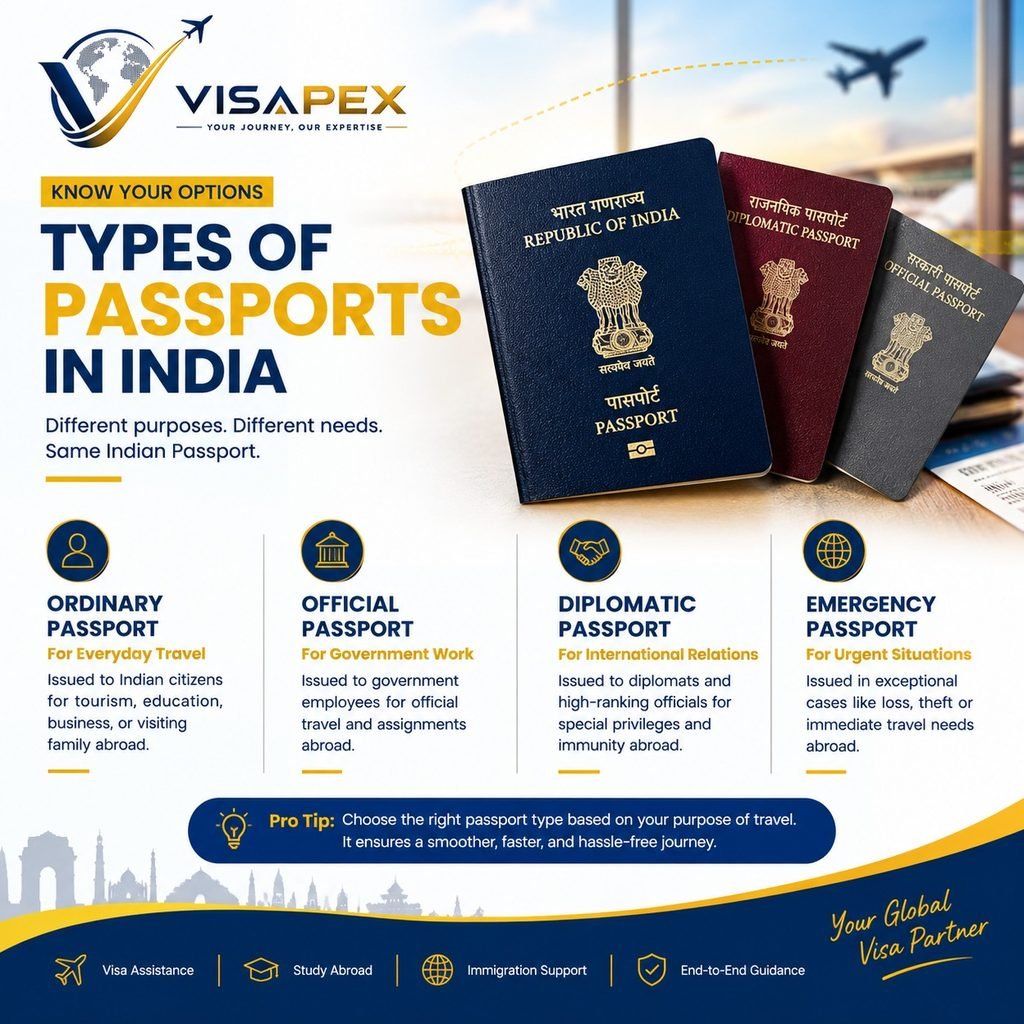
There are several reasons why visas are important.
Immigration control: Visa systems help visa application governments manage the entry and stay of foreign nationals according to their laws.
Travel authorization: Where a visa is required, obtaining the correct authorization is an essential part of preparing for an international journey.
Purpose of travel: Different visa categories establish whether a visitor intends to study, work, attend business meetings, visit relatives, or enjoy a holiday.
Security and identity checks: Depending on the destination and visa type, authorities may review identity documents, travel history, background information, and other eligibility factors.
Compliance with local laws: A visa sets out conditions that visitors must follow, such as permitted activities, employment restrictions, or limits on the duration of their stay.
Applying for the appropriate visa before departure helps travelers visa application understand their obligations and reduces the risk of problems at the airport or border.
3. Different Types of Visas
Visa categories vary by country, and the names and conditions visa application of similar visas may differ. Choosing the right category is one of the most important steps in the application process.
3.1 Tourist Visa
A tourist visa is intended for people who want to visit another visa application country for holidays, sightseeing, cultural experiences, or recreation. It is commonly used by individuals planning vacations, visiting tourist attractions, or exploring a destination.
Tourist visa requirements may include:
- A valid passport.
- A completed visa application form.
- Recent passport-size photographs, if required.
- Travel itinerary and accommodation details.
- Evidence of sufficient funds.
- Travel insurance, where required.
- Documents demonstrating the purpose of the visit.
Tourist visas generally do not permit ordinary employment. Travelers must check the specific rules of their destination, especially if they plan to attend events, visit relatives, or participate in other activities during their stay.
3.2 Student Visa
A student visa is designed for international students who wish to study at an educational institution in another country. It may be required for university degrees, professional courses, vocational programs, or other approved studies.
The application process often begins after a student receives an admission offer from an eligible institution. Depending on the destination, applicants may need to provide an admission letter, evidence of tuition payments, financial documents, academic certificates, language test results, and proof of accommodation.
Some student visas permit limited employment during studies, while others impose strict restrictions. Students should understand the rules before accepting a job or internship.
Planning early is especially important because admission procedures, financial documentation, and visa processing can take considerable time.
3.3 Work Visa
A work visa allows eligible foreign nationals to undertake employment under the conditions established by the destination country’s immigration laws. Depending on the country, applicants may need a job offer, employer sponsorship, professional qualifications, relevant experience, or proof that the position meets specific immigration requirements.
Work visas may be available for skilled professionals, seasonal workers, temporary employees, researchers, or other occupational groups.
Before applying, candidates should confirm whether their employer is authorized to sponsor foreign workers and whether their qualifications meet the requirements. They should also understand any restrictions visa application on changing employers, extending their stay, or bringing family members.
A work visa should never be confused with a tourist visa. Performing unauthorized employment can visa application lead to immigration penalties or other serious consequences.
3.4 Business Visa
A business visa is generally intended for eligible short-term commercial activities, such visa application as attending meetings, conferences, trade exhibitions, negotiations, or professional events.
Applicants may need an invitation letter from a business partner, a letter from their employer, conference registration details, travel arrangements, and evidence of financial support.
A business visa does not automatically authorize regular employment or the provision of services in the destination country. Permitted activities vary, so travelers should confirm that their planned work falls within the relevant category.
3.5 Transit Visa
A transit visa may be required when a traveler passes through a country while traveling visa application to another destination. The requirement depends on nationality, airport, terminal arrangements, transit duration, and whether the passenger must pass through immigration.
Some travelers can remain in an international transit area without a visa, while others must obtain visa application authorization even for a short stopover.
Before booking connecting flights, passengers should verify transit visa application requirements for every country on their route. This is particularly important when changing airports, collecting checked baggage, or staying overnight outside the international transit area.
3.6 Medical Visa
A medical visa may be available to people traveling abroad for planned medical consultations, surgery, specialist treatment, or other approved healthcare services.
Applications may require confirmation from a recognized medical institution, medical reports, treatment schedules, financial evidence, and details of the intended stay.
Some countries also provide specific arrangements for accompanying family members or caregivers. Applicants should verify the eligibility criteria and permitted duration of stay before making non-refundable arrangements.
3.7 Family or Visitor Visa
Family and visitor visas allow eligible individuals to visit relatives, friends, or other people in the destination country.
Depending on the immigration system, applicants may need an invitation letter, evidence of the relationship, the host’s identity or immigration documents, accommodation details, and proof of financial support.
An invitation letter alone does not guarantee approval. Authorities may visa application also assess the applicant’s circumstances, travel purpose, and ability to comply with the conditions of the visit.
3.8 Permanent Residence and Immigration Visas
Some countries provide immigration pathways for people seeking long-term or permanent residence. These pathways may be based on family relationships, employment, skilled migration, humanitarian protection, or other qualifying circumstances.
The requirements are often more extensive than those for short-term visits. Applicants may need to demonstrate qualifications, language proficiency, financial eligibility, family relationships, or other factors.
Permanent residence is not the same as a temporary visa. Each country defines its own eligibility visa application criteria, application procedures, and rights associated with long-term immigration status.
4. What Is the Difference Between a Single-Entry and Multiple-Entry Visa?
Visa entry conditions determine how many times a traveler may enter a visa application country under a particular authorization.
A single-entry visa generally allows one entry during its permitted validity. visa application If the traveler leaves the country, the visa may no longer be usable for another entry.
A multiple-entry visa may allow several entries while the visa remains valid, provided the traveler complies with the applicable rules. However, multiple-entry permission does not necessarily mean unlimited stays or unrestricted time in the country.
For example, a traveler might hold a multiple-entry visa valid for several years but still be limited to a specified number of days during each visit or within a defined period.
Travelers should check three important details:
- The visa’s start and expiry dates.
- The number of entries permitted.
- The maximum duration of each stay and any cumulative stay limits.
Understanding these conditions helps prevent accidental overstays and unnecessary travel complications.

5. What Is an Electronic Visa (e-Visa)?
An electronic visa, commonly called an e-Visa, is a visa issued through an online application system. Instead of completing the entire process through a traditional paper-based application, eligible travelers submit information and supporting documents electronically.
The typical e-Visa process includes creating an application, entering passport details, uploading documents, paying the applicable fee, and waiting for the decision.
If approved, the traveler receives an electronic visa or approval notice. Depending on the destination, they may need to print the document or keep a digital copy available for inspection.
Electronic applications can make the process more convenient, but they do not eliminate visa application eligibility requirements. Applicants must still provide accurate information and meet the destination country’s rules.
Before using an online visa service, verify that the website is an official government portal visa application or an authorized service provider. Unofficial websites may charge additional fees or provide misleading information.
6. Visa Requirements: Documents You May Need
Visa requirements differ according to nationality, destination, visa category, and individual circumstances. Nevertheless, many applications require a visa application similar set of documents.
Passport
A passport is one of the most important documents for international travel. Applicants should check that it is valid for the required period and contains sufficient blank pages if necessary.
Some destinations require a passport to remain valid for a specified period beyond the intended arrival or departure date. Others have different rules depending on nationality or visa category.
Visa Application Form
Applicants must complete the relevant form with accurate personal details, travel information, and other requested information.
The name, date of birth, passport number, and other identifying visa application details should match the supporting documents. Any inconsistencies should be corrected before submission.
Photographs
Certain visa categories require photographs that meet specific standards for size, background, lighting, facial visibility, and recency.
Applicants should follow the official photo specifications rather than assuming that an ordinary photograph will be accepted.
Financial Evidence
Financial documents may help demonstrate that the applicant can cover travel, visa application accommodation, tuition, living expenses, or other relevant costs.
Depending on the application, acceptable evidence might include bank statements, visa application sponsorship documents, scholarship letters, employment income records, or other financial proof.
There is no universal bank balance that guarantees visa approval. The amount and type of evidence depend on the destination’s rules and the purpose and duration of the visit.
Travel Itinerary and Accommodation
Applicants may be asked to provide proposed flight details, accommodation reservations, an invitation, or a travel plan.
Requirements vary, and travelers should avoid making expensive non-refundable bookings before understanding the visa process and the risks involved.
Invitation or Admission Letter
Business travelers may need an invitation from an organization, while students visa application generally need documentation from their educational institution. Family visitors may be asked to provide evidence relating to their host.
These documents should accurately describe the purpose of the trip and the relationship visa application between the relevant parties.
Additional Documents
Depending on the visa type, authorities may request:
- Employment letters or salary records.
- Academic transcripts and certificates.
- Proof of family relationships.
- Travel or medical insurance.
- Medical examinations.
- Police certificates or background checks.
- Biometric information, such as fingerprints and a photograph.
- Evidence of language proficiency.
- Certified translations of documents.
Not every applicant needs every document. The official checklist for the specific visa category should always take priority over general advice.
7. Step-by-Step Visa Application Process
Applying for a visa becomes easier when the process is divided into clear steps. Although procedures vary between countries, the following approach is useful for many types of visa applications.
Step 1: Choose Your Destination and Purpose
Begin by identifying the country you want to visit and the reason for your trip. Decide whether you are traveling for tourism, education, employment, business, medical treatment, or another purpose.
Your purpose determines which visa category may be appropriate. Applying under the visa application wrong category can result in delays, refusal, or problems when entering the country.
Step 2: Check Your Visa Eligibility
Visit the destination country’s official immigration website or embassy website to visa application determine whether your nationality requires a visa.
Review the eligibility criteria, permitted activities, financial requirements, passport validity rules, and application procedures. Do not rely solely on information intended for travelers with a different nationality.
If your circumstances are unusual, seek guidance from the relevant immigration visa application authority or a qualified immigration professional.
Step 3: Prepare the Required Documents
Create a checklist based on the official requirements. Gather your passport, application form, photographs, financial records, supporting letters, and any other documents required for your visa category.
Check that all documents are accurate, readable, current, and consistent. Arrange translations visa application or certifications where required.
Starting this step early can help you identify missing documents visa application before your intended travel date.
Step 4: Complete the Application Form
Fill out the application form carefully. Provide truthful answers about your visa application personal information, travel purpose, employment, education, travel history, and other requested details.
Review every section before submission. Incorrect passport numbers, inconsistent dates, incomplete answers, and inaccurate declarations may create complications.
If you are uncertain about a question, consult the official instructions visa application rather than guessing.
Step 5: Pay the Visa Application Fee
Many visa applications require a fee. The amount depends on the country, visa category, applicant’s nationality, and sometimes the length of the requested stay.
Some applications may also involve service fees, biometric fees, courier charges, or other expenses.
Check the official fee schedule and payment instructions. Remember that paying an application fee does not guarantee approval, and fees may be non-refundable.
Step 6: Book an Appointment if Required
Some visa systems require applicants to attend an appointment visa application at an embassy, consulate, visa application centre, or other authorized location.
During the appointment, applicants may submit documents, provide visa application fingerprints and photographs, or complete other required formalities.
Carry the documents listed in the appointment instructions and arrive on time. Do not assume that every country requires an in-person appointment, because some applications can be completed electronically.
Step 7: Attend an Interview if Necessary
Certain applications involve an interview. An immigration officer may ask questions about the applicant’s travel plans, visa application finances, employment, education, family connections, or reasons for visiting.
Answer honestly and directly. Your responses should be consistent with your application and supporting documents.
You should understand your travel purpose and be able to explain your plans clearly. There is no need to memorize artificial answers or provide information that has not been requested.
Step 8: Track Your Application
After submitting your application, use the official tracking system if one is available.
Processing may take different amounts of time depending on the destination, visa type, season, security checks, and completeness of the application.
If the authorities request additional information, follow their instructions within the specified deadline. Avoid submitting duplicate applications unless the relevant authority advises you to do so.
Step 9: Receive and Verify the Decision
If your visa is approved, carefully review the issued document visa application or electronic authorization.
Check your name, passport details, validity dates, entry conditions, and permitted duration of stay. Contact the issuing authority if you identify an error.
If your application is refused, read the decision notice to visa application understand the stated reasons and any available review, appeal, or reapplication options.
Step 10: Prepare for Your Journey
Once you have the required authorization, review the destination’s entry rules and prepare your travel documents.
Carry your passport, visa or electronic authorization, and any supporting documents that immigration officials may request. Check transit requirements, accommodation arrangements, visa application health regulations, and airline documentation requirements before departure.
Being well prepared helps make the journey more organized and reduces the risk of avoidable problems.
8. How Long Does Visa Processing Take?
Visa processing times vary considerably. Some electronic applications visa application may be processed relatively quickly, while complex applications can take several weeks or longer.
The processing period may depend on:
- The destination country and visa category.
- The applicant’s nationality and individual circumstances.
- The time of year and volume of visa applications.
- Whether all required documents have been submitted.
- Additional verification or background checks.
- The need for interviews, medical examinations, or biometrics.
- Requests for further evidence.
Applicants should check the latest published visa application processing estimates from the official immigration authority. These estimates are not guarantees.
It is wise to begin preparing well in advance, particularly visa application for student visas, work visas, and international travel during busy holiday periods.
Do not assume that paying for a premium appointment or courier service will accelerate the immigration decision. Such services may affect appointment availability or document delivery without changing the processing time itself.
9. Common Reasons for Visa Refusal
A visa application may be refused when an applicant does not satisfy the relevant eligibility requirements or when the evidence provided does not establish the necessary facts.
Understanding common issues can help applicants prepare more carefully.
Incomplete Documentation
Missing forms, expired documents, unreadable files, or absent supporting evidence can delay an application or contribute to refusal.
How to avoid it: Follow the official checklist and review the complete application before submission.
Incorrect or Inconsistent Information
Differences between application details, passport information, financial records, or supporting letters may raise questions about the accuracy of an application.
How to avoid it: Check names, dates, figures, and other details across every document.
Insufficient Financial Evidence
Some visa categories require applicants to demonstrate that they can cover the costs associated with their stay.
How to avoid it: Provide the specific financial evidence requested and explain the source of funds where necessary. Never submit altered bank statements or fabricated financial documents.
Unclear Purpose of Travel
An application may be difficult to assess if the stated purpose is vague or the supporting documents do not match the proposed activities.
How to avoid it: Explain the intended visit clearly and provide relevant supporting evidence.
Failure to Meet Eligibility Criteria
Applicants may not meet the required educational, employment, sponsorship, financial, or other conditions.
How to avoid it: Confirm eligibility before applying and choose the category that accurately reflects your circumstances.
Misrepresentation or False Documents
Providing fabricated information or forged documents can lead to refusal and potentially more serious immigration consequences.
How to avoid it: Submit genuine documents and truthful information. If you discover a mistake after submission, follow the official procedure for correcting it.
Previous Immigration Problems
Previous overstays, visa violations, or other immigration issues may affect certain applications, depending on the destination’s laws and the circumstances.
How to avoid it: Disclose information when required, provide accurate explanations, and obtain qualified advice if your immigration history is complicated.
A refusal does not always mean that an applicant can never obtain a visa. The available options depend on the country, the reasons for refusal, and the applicable legal procedures.
10. Tips for a Successful Visa Application
No strategy can guarantee visa approval, because the final decision rests with the relevant authority. However, careful preparation can help applicants submit a clearer and more complete application.
Apply early. Start the process well before your intended travel date, allowing time for appointments, document collection, and unexpected delays.
Choose the correct visa category. Your application should match the actual purpose of your trip and the activities you intend to undertake.
Follow the official checklist. Requirements may change, so use current guidance rather than relying entirely on old articles or advice from friends.
Provide truthful information. Accuracy is essential. Never exaggerate your income, employment, travel history, or qualifications.
Organize your documents. Arrange supporting records in a logical order and ensure that scans are clear and complete.
Demonstrate your plans clearly. Provide relevant information about the purpose, duration, and arrangements for your intended stay.
Understand your financial evidence. Make sure the documents you provide satisfy the applicable requirements and accurately reflect your financial circumstances.
Prepare for the interview. If an interview is required, review your application and be ready to explain your plans in your own words.
Keep copies of everything. Save application confirmations, receipts, submitted forms, supporting documents, and official correspondence.
Follow immigration conditions. If approved, respect the permitted activities, entry conditions, and duration of stay.
The most effective approach is to prepare an honest application that clearly demonstrates how you meet the relevant requirements.
11. Visa Fees and Other Expenses
The total cost of obtaining a visa depends on the destination country, visa category, applicant’s nationality, and application method.
Applicants should budget for more than just the basic visa fee. Depending on their circumstances, additional expenses may include:
- Visa application or processing fees.
- Visa application centre service charges.
- Passport photographs and document printing.
- Certified translations and notarization, where required.
- Travel insurance.
- Medical examinations or police certificates, if applicable.
- Travel to an appointment location.
- Courier or passport return services.
- Educational assessments or language tests for certain immigration pathways.
For example, a student applying to study abroad may need to budget for tuition deposits, financial documentation, medical checks, and travel expenses in addition to the visa application fee.
A tourist may have fewer requirements, although insurance, transportation, and accommodation can still represent significant costs.
Always check the current official fee schedule before applying. Exchange rates and service charges may change, and some application fees cannot be refunded if a visa is refused or the applicant withdraws the application.
12. How to Choose a Reliable Visa Consultancy
Visa applications can involve complex instructions, detailed documentation, and unfamiliar immigration procedures. Some applicants choose to work with a visa consultancy or immigration professional for assistance.
A reliable service provider can help explain requirements, organize documents, identify missing information, and guide applicants through the administrative process. However, the appropriate type of assistance depends on the complexity of the case and the laws of the destination country.
Before selecting a consultancy, consider the following factors.
Check Credentials and Experience
Review the provider’s experience with the relevant destination and visa category. Where immigration advice or representation is regulated, verify that the person offering it has the required authorization.
Understand the Service Charges
Ask for a written explanation of professional fees, government charges, optional services, and refund policies.
Avoid providers who refuse to explain their charges or pressure you into paying immediately.
Look for Transparent Communication
A trustworthy provider should explain the process, possible challenges, documentation requirements, and realistic expectations.
Be cautious of anyone who promises guaranteed approval or claims to have special influence over immigration officials.
Protect Your Personal Information
Visa applications involve sensitive documents, including passport details, financial records, educational certificates, and personal information.
Ask how your information will be stored, used, and protected. Share documents only through appropriate channels and with legitimate service providers.
Read Reviews Carefully
Customer feedback can help you understand the quality of a service, but reviews should not be the only basis for your decision. Look for consistent information, clear contracts, and verifiable credentials.
Most importantly, remember that hiring a consultancy does not guarantee a positive visa decision. Applicants remain responsible for ensuring that their information is accurate and that their immigration plans comply with the relevant rules.
13. Visa Rules for International Students
Studying abroad can provide access to new educational opportunities, professional development, and international experience. However, students must meet both educational admission requirements and immigration requirements.
The process often starts with choosing an institution and receiving an admission offer. Students should then review the applicable student visa rules, financial requirements, and documentation requirements.
Important considerations include:
Admission confirmation: Ensure that the institution and program meet the destination’s requirements for student visa eligibility.
Financial preparation: Understand the amount and type of financial evidence required for tuition, accommodation, and living expenses.
Academic documentation: Prepare transcripts, certificates, and language test results if requested.
Health and insurance requirements: Check whether medical examinations or health insurance are mandatory.
Employment conditions: Understand whether the visa permits part-time work, internships, or employment during academic breaks.
Visa duration: Check when the visa begins and ends, whether it covers the intended study period, and what is required to extend it.
Post-study opportunities: Research any available post-study work pathways separately. Completing a degree does not automatically provide permission to remain or work in the country.
Students should also consider application deadlines and allow sufficient time for the institution’s procedures and the immigration decision.
14. Visa Rules for Business Travelers and Professionals
International business travel supports commercial relationships, professional networking, conferences, negotiations, and market research.
Before traveling, professionals should determine whether their planned activities are permitted under the relevant business visitor rules or whether a work authorization is required.
Business travelers may need an employer letter explaining the purpose of the trip, an invitation from a host organization, conference details, and evidence of financial arrangements.
Professionals accepting an overseas job should investigate the applicable work permit or employment visa pathway before beginning work.
Employers and employees should pay attention to sponsorship requirements, occupational eligibility, salary thresholds where applicable, professional licensing, and any restrictions on changing employment.
It is equally important to understand that immigration permission and permission to practice a regulated profession are not necessarily the same. A person may require both valid immigration status and a separate professional license.
Careful preparation helps companies manage international assignments while allowing employees to travel and work within the applicable legal framework.
15. What Should You Do If Your Visa Is Rejected?
Receiving a visa refusal can be disappointing, particularly when you have invested time, money, and effort in preparing your application. However, the next step should be to understand the decision rather than immediately submitting another application.
Begin by reading the refusal notice carefully. Identify the reasons provided by the immigration authority and determine whether the decision refers to missing evidence, eligibility concerns, financial documentation, inconsistent information, or another issue.
Next, review the available options.
- Check whether review or appeal is possible. Some decisions can be challenged through specific procedures, while others do not provide the same options.
- Identify the underlying problem. Determine what information or eligibility requirement was not adequately established.
- Gather relevant evidence. If reapplication is permitted and appropriate, prepare genuine documents that address the identified issues.
- Correct errors. Ensure that inaccurate information or missing documents are properly addressed.
- Seek qualified assistance when necessary. Complex refusals, previous immigration violations, or legal questions may require professional advice.
Submitting the same application without addressing the refusal reasons may lead to another negative decision.
There is no universal waiting period or guaranteed method for obtaining approval after a refusal. The correct approach depends on the destination’s immigration laws and the details of the individual case.
16. Important Visa Mistakes to Avoid
Even well-prepared travelers can experience difficulties when they overlook small but important details. Avoiding common mistakes can make the process more manageable.
- Ignoring passport validity: Check the passport requirements well before departure.
- Applying too late: Leave enough time for the application and any additional checks.
- Choosing the wrong category: Make sure the visa matches the intended activities.
- Using unofficial websites: Verify application portals and payment channels.
- Submitting inconsistent documents: Review personal information across all records.
- Making false declarations: Never provide misleading information or altered documents.
- Assuming approval guarantees entry: Be prepared for border officials to verify your eligibility.
- Overstaying: Leave before your authorized stay expires or obtain a lawful extension when available.
- Ignoring transit requirements: Check the immigration rules of connecting countries.
- Relying on outdated information: Verify current rules through official sources.
International travel requires planning, but these practical precautions can help travelers make better decisions and reduce avoidable complications.
17. The Future of Visa Applications
Technology is changing the way governments manage international travel and immigration.
Electronic visa systems allow eligible travelers to submit applications and supporting documents online. Digital notifications and application tracking can also help applicants follow the progress of their cases.
Some immigration systems use automated tools to support document processing, identity verification, and administrative checks. Biometric technologies may help authorities verify identity and strengthen border procedures.
At the same time, digital applications create important responsibilities. Applicants need to protect their personal information, use secure websites, and verify that digital approvals are genuine.
Technology does not eliminate the need to meet immigration requirements. Eligibility criteria, document verification, and official decision-making remain important parts of the process.
As digital immigration systems develop, travelers should stay informed about changes to application methods, electronic travel authorizations, and border procedures.
18. Frequently Asked Questions About Visas
What is a visa in simple words?
A visa is an official authorization that allows a foreign national to travel to a country and request entry for a specific purpose, subject to the applicable rules.
Is a visa the same as a passport?
No. A passport is an identity and travel document issued by a person’s country or relevant authority. A visa is an authorization issued by another country when required.
Can I travel without a visa?
Yes, in some circumstances. Certain nationalities qualify for visa-free travel to specific destinations. Other travelers may be eligible for an e-Visa, visa on arrival, or an electronic travel authorization. Eligibility depends on nationality, destination, and travel purpose.
How long is a visa valid?
Validity varies by visa category and issuing country. Some visas are valid for a short period, while others allow multiple entries over several years. The permitted duration of each stay may be different from the visa’s overall validity.
Can I apply for a visa online?
Many countries provide online application systems for certain visa categories. Other applications require appointments, biometrics, interviews, or paper documents.
Does a visa guarantee entry?
No. A visa generally permits a traveler to travel to a border and request entry, but border officials may conduct further checks and make the final decision under local law.
Can I work on a tourist visa?
Ordinary employment is generally not permitted on a tourist visa. However, specific rules vary by country, and some destinations allow limited activities under defined conditions. Always confirm the applicable rules before undertaking work.
What happens if my visa expires while I am abroad?
Remaining beyond your authorized stay can lead to fines, immigration difficulties, restrictions on future travel, or other consequences. Contact the relevant immigration authority promptly if you believe you may be unable to leave or extend your stay in time.
Can I apply again after a visa refusal?
In many cases, reapplication may be possible, but the options depend on the destination and the refusal circumstances. Review the decision notice and address the relevant issues before taking further action.
Should I use a visa consultancy?
A consultancy may help you understand requirements and organize documents, particularly for complex applications. However, you can often apply directly through official government channels. Check credentials, fees, and the limits of the service before hiring anyone.
Conclusion
A visa is an important part of international travel for people who need authorization to enter another country. Whether you are planning a holiday, pursuing higher education, accepting an overseas job, attending a business meeting, or visiting family, understanding the relevant immigration requirements is essential.
The process involves selecting the correct visa category, checking eligibility, preparing genuine documents, completing the application, paying the applicable fees, and following the official instructions. Applicants should also understand processing times, entry conditions, and the difference between visa validity and the permitted duration of stay.
Although immigration procedures may seem complicated, careful preparation and reliable information can make them easier to navigate. Always consult the destination country’s official immigration website or embassy for current requirements, and seek qualified professional advice when your circumstances require it.
The key to a well-prepared visa application is simple: plan ahead, provide accurate information, submit the required evidence, and follow the immigration rules. These steps can help you approach your international travel plans with greater confidence and clarity.
SEO Meta Description
Understand the visa application process, different visa types, required documents, fees, processing times, eligibility criteria, and practical tips for international travel.
Suggested Focus Keywords
- Visa
- Visa application process
- Types of visas
- Visa requirements
- How to apply for a visa
- Visa application documents
- International travel visa
- Tourist visa
- Student visa
- Work visa
Suggested Blog Tags
Visa Guide, Visa Application, Immigration, International Travel, Tourist Visa, Student Visa, Work Visa, Travel Documents, Visa Consultancy
Would you like a fresh visa-related bloVisa: A Complete Guide to Types, Requirements, Application Process, and Travel Tips
Introduction
Traveling to another country can be an exciting experience. People travel internationally for many reasons, including tourism, higher education, employment, business meetings, family visits, medical treatment, and permanent settlement. However, before traveling abroad, it is important to understand the immigration rules of the destination country. One of the most important aspects of international travel is obtaining a visa when required.
A visa is an official authorization issued by a country’s government that allows a foreign national to travel to its borders and request entry for a specific purpose. Depending on the country and visa category, it may permit tourism, study, work, business activities, or other approved purposes. Some countries require travelers to obtain a visa before departure, while others offer visa-free entry, visas on arrival, or electronic travel authorizations to eligible visitors.
Understanding the visa process can help travelers prepare the correct documents, avoid unnecessary delays, and make informed decisions. Every country has its own immigration regulations, application procedures, processing times, and eligibility criteria. Therefore, applicants should always check the official immigration website or embassy guidance for their destination before submitting an application.
This comprehensive guide explains everything you need to know about visas, including their meaning, major types, application steps, documentation, common mistakes, and useful tips for improving your application.
1. What Is a Visa?
A visa is an official permission or authorization granted under a country’s immigration system for a foreign national to travel for a particular purpose. It may be issued as a sticker or stamp in a passport, an electronic document, or another officially recognized format.
The conditions of a visa depend on the country issuing it. These conditions may specify how long a traveler can stay, how many times they can enter, and what activities they are allowed to undertake.
For example, a tourist visa generally permits eligible travelers to visit a country for sightseeing, holidays, or certain short visits. A student visa may allow a person to enter the country to pursue an approved educational program. A work visa may authorize employment under specified conditions.
It is important to understand that a visa does not always guarantee entry into a country. In many destinations, immigration officials make the final decision when a traveler arrives at the border.
Before applying, travelers should understand the difference between a visa’s validity period and the permitted length of stay. A visa might remain valid for several months or years, while each visit may be limited to a shorter period.
2. Why Is a Visa Important?
Visas help countries regulate international travel and apply their immigration laws. They allow authorities to assess whether visitors meet the requirements for their intended activities.
There are several reasons why visas are important.
Immigration control: Visa systems help governments manage the entry and stay of foreign nationals according to their laws.
Travel authorization: Where a visa is required, obtaining the correct authorization is an essential part of preparing for an international journey.
Purpose of travel: Different visa categories establish whether a visitor intends to study, work, attend business meetings, visit relatives, or enjoy a holiday.
Security and identity checks: Depending on the destination and visa type, authorities may review identity documents, travel history, background information, and other eligibility factors.
Compliance with local laws: A visa sets out conditions that visitors must follow, such as permitted activities, employment restrictions, or limits on the duration of their stay.
Applying for the appropriate visa before departure helps travelers understand their obligations and reduces the risk of problems at the airport or border.
3. Different Types of Visas
Visa categories vary by country, and the names and conditions of similar visas may differ. Choosing the right category is one of the most important steps in the application process.
3.1 Tourist Visa
A tourist visa is intended for people who want to visit another country for holidays, sightseeing, cultural experiences, or recreation. It is commonly used by individuals planning vacations, visiting tourist attractions, or exploring a destination.
Tourist visa requirements may include:
- A valid passport.
- A completed visa application form.
- Recent passport-size photographs, if required.
- Travel itinerary and accommodation details.
- Evidence of sufficient funds.
- Travel insurance, where required.
- Documents demonstrating the purpose of the visit.
Tourist visas generally do not permit ordinary employment. Travelers must check the specific rules of their destination, especially if they plan to attend events, visit relatives, or participate in other activities during their stay.
3.2 Student Visa
A student visa is designed for international students who wish to study at an educational institution in another country. It may be required for university degrees, professional courses, vocational programs, or other approved studies.
The application process often begins after a student receives an admission offer from an eligible institution. Depending on the destination, applicants may need to provide an admission letter, evidence of tuition payments, financial documents, academic certificates, language test results, and proof of accommodation.
Some student visas permit limited employment during studies, while others impose strict restrictions. Students should understand the rules before accepting a job or internship.
Planning early is especially important because admission procedures, financial documentation, and visa processing can take considerable time.
3.3 Work Visa
A work visa allows eligible foreign nationals to undertake employment under the conditions established by the destination country’s immigration laws. Depending on the country, applicants may need a job offer, employer sponsorship, professional qualifications, relevant experience, or proof that the position meets specific immigration requirements.
Work visas may be available for skilled professionals, seasonal workers, temporary employees, researchers, or other occupational groups.
Before applying, candidates should confirm whether their employer is authorized to sponsor foreign workers and whether their qualifications meet the requirements. They should also understand any restrictions on changing employers, extending their stay, or bringing family members.
A work visa should never be confused with a tourist visa. Performing unauthorized employment can lead to immigration penalties or other serious consequences.
3.4 Business Visa
A business visa is generally intended for eligible short-term commercial activities, such as attending meetings, conferences, trade exhibitions, negotiations, or professional events.
Applicants may need an invitation letter from a business partner, a letter from their employer, conference registration details, travel arrangements, and evidence of financial support.
A business visa does not automatically authorize regular employment or the provision of services in the destination country. Permitted activities vary, so travelers should confirm that their planned work falls within the relevant category.
3.5 Transit Visa
A transit visa may be required when a traveler passes through a country while traveling to another destination. The requirement depends on nationality, airport, terminal arrangements, transit duration, and whether the passenger must pass through immigration.
Some travelers can remain in an international transit area without a visa, while others must obtain authorization even for a short stopover.
Before booking connecting flights, passengers should verify transit requirements for every country on their route. This is particularly important when changing airports, collecting checked baggage, or staying overnight outside the international transit area.
3.6 Medical Visa
A medical visa may be available to people traveling abroad for planned medical consultations, surgery, specialist treatment, or other approved healthcare services.
Applications may require confirmation from a recognized medical institution, medical reports, treatment schedules, financial evidence, and details of the intended stay.
Some countries also provide specific arrangements for accompanying family members or caregivers. Applicants should verify the eligibility criteria and permitted duration of stay before making non-refundable arrangements.
3.7 Family or Visitor Visa
Family and visitor visas allow eligible individuals to visit relatives, friends, or other people in the destination country.
Depending on the immigration system, applicants may need an invitation letter, evidence of the relationship, the host’s identity or immigration documents, accommodation details, and proof of financial support.
An invitation letter alone does not guarantee approval. Authorities may also assess the applicant’s circumstances, travel purpose, and ability to comply with the conditions of the visit.
3.8 Permanent Residence and Immigration Visas
Some countries provide immigration pathways for people seeking long-term or permanent residence. These pathways may be based on family relationships, employment, skilled migration, humanitarian protection, or other qualifying circumstances.
The requirements are often more extensive than those for short-term visits. Applicants may need to demonstrate qualifications, language proficiency, financial eligibility, family relationships, or other factors.
Permanent residence is not the same as a temporary visa. Each country defines its own eligibility criteria, application procedures, and rights associated with long-term immigration status.
4. What Is the Difference Between a Single-Entry and Multiple-Entry Visa?
Visa entry conditions determine how many times a traveler may enter a country under a particular authorization.
A single-entry visa generally allows one entry during its permitted validity. If the traveler leaves the country, the visa may no longer be usable for another entry.
A multiple-entry visa may allow several entries while the visa remains valid, provided the traveler complies with the applicable rules. However, multiple-entry permission does not necessarily mean unlimited stays or unrestricted time in the country.
For example, a traveler might hold a multiple-entry visa valid for several years but still be limited to a specified number of days during each visit or within a defined period.
Travelers should check three important details:
- The visa’s start and expiry dates.
- The number of entries permitted.
- The maximum duration of each stay and any cumulative stay limits.
Understanding these conditions helps prevent accidental overstays and unnecessary travel complications.
5. What Is an Electronic Visa (e-Visa)?
An electronic visa, commonly called an e-Visa, is a visa issued through an online application system. Instead of completing the entire process through a traditional paper-based application, eligible travelers submit information and supporting documents electronically.
The typical e-Visa process includes creating an application, entering passport details, uploading documents, paying the applicable fee, and waiting for the decision.
If approved, the traveler receives an electronic visa or approval notice. Depending on the destination, they may need to print the document or keep a digital copy available for inspection.
Electronic applications can make the process more convenient, but they do not eliminate eligibility requirements. Applicants must still provide accurate information and meet the destination country’s rules.
Before using an online visa service, verify that the website is an official government portal or an authorized service provider. Unofficial websites may charge additional fees or provide misleading information.
6. Visa Requirements: Documents You May Need
Visa requirements differ according to nationality, destination, visa category, and individual circumstances. Nevertheless, many applications require a similar set of documents.
Passport
A passport is one of the most important documents for international travel. Applicants should check that it is valid for the required period and contains sufficient blank pages if necessary.
Some destinations require a passport to remain valid for a specified period beyond the intended arrival or departure date. Others have different rules depending on nationality or visa category.
Visa Application Form
Applicants must complete the relevant form with accurate personal details, travel information, and other requested information.
The name, date of birth, passport number, and other identifying details should match the supporting documents. Any inconsistencies should be corrected before submission.
Photographs
Certain visa categories require photographs that meet specific standards for size, background, lighting, facial visibility, and recency.
Applicants should follow the official photo specifications rather than assuming that an ordinary photograph will be accepted.
Financial Evidence
Financial documents may help demonstrate that the applicant can cover travel, accommodation, tuition, living expenses, or other relevant costs.
Depending on the application, acceptable evidence might include bank statements, sponsorship documents, scholarship letters, employment income records, or other financial proof.
There is no universal bank balance that guarantees visa approval. The amount and type of evidence depend on the destination’s rules and the purpose and duration of the visit.
Travel Itinerary and Accommodation
Applicants may be asked to provide proposed flight details, accommodation reservations, an invitation, or a travel plan.
Requirements vary, and travelers should avoid making expensive non-refundable bookings before understanding the visa process and the risks involved.
Invitation or Admission Letter
Business travelers may need an invitation from an organization, while students generally need documentation from their educational institution. Family visitors may be asked to provide evidence relating to their host.
These documents should accurately describe the purpose of the trip and the relationship between the relevant parties.
Additional Documents
Depending on the visa type, authorities may request:
- Employment letters or salary records.
- Academic transcripts and certificates.
- Proof of family relationships.
- Travel or medical insurance.
- Medical examinations.
- Police certificates or background checks.
- Biometric information, such as fingerprints and a photograph.
- Evidence of language proficiency.
- Certified translations of documents.
Not every applicant needs every document. The official checklist for the specific visa category should always take priority over general advice.
7. Step-by-Step Visa Application Process
Applying for a visa becomes easier when the process is divided into clear steps. Although procedures vary between countries, the following approach is useful for many types of applications.
Step 1: Choose Your Destination and Purpose
Begin by identifying the country you want to visit and the reason for your trip. Decide whether you are traveling for tourism, education, employment, business, medical treatment, or another purpose.
Your purpose determines which visa category may be appropriate. Applying under the wrong category can result in delays, refusal, or problems when entering the country.
Step 2: Check Your Visa Eligibility
Visit the destination country’s official immigration website or embassy website to determine whether your nationality requires a visa.
Review the eligibility criteria, permitted activities, financial requirements, passport validity rules, and application procedures. Do not rely solely on information intended for travelers with a different nationality.
If your circumstances are unusual, seek guidance from the relevant immigration authority or a qualified immigration professional.
Step 3: Prepare the Required Documents
Create a checklist based on the official requirements. Gather your passport, application form, photographs, financial records, supporting letters, and any other documents required for your visa category.
Check that all documents are accurate, readable, current, and consistent. Arrange translations or certifications where required.
Starting this step early can help you identify missing documents before your intended travel date.
Step 4: Complete the Application Form
Fill out the application form carefully. Provide truthful answers about your personal information, travel purpose, employment, education, travel history, and other requested details.
Review every section before submission. Incorrect passport numbers, inconsistent dates, incomplete answers, and inaccurate declarations may create complications.
If you are uncertain about a question, consult the official instructions rather than guessing.
Step 5: Pay the Visa Application Fee
Many visa applications require a fee. The amount depends on the country, visa category, applicant’s nationality, and sometimes the length of the requested stay.
Some applications may also involve service fees, biometric fees, courier charges, or other expenses.
Check the official fee schedule and payment instructions. Remember that paying an application fee does not guarantee approval, and fees may be non-refundable.
Step 6: Book an Appointment if Required
Some visa systems require applicants to attend an appointment at an embassy, consulate, visa application centre, or other authorized location.
During the appointment, applicants may submit documents, provide fingerprints and photographs, or complete other required formalities.
Carry the documents listed in the appointment instructions and arrive on time. Do not assume that every country requires an in-person appointment, because some applications can be completed electronically.
Step 7: Attend an Interview if Necessary
Certain applications involve an interview. An immigration officer may ask questions about the applicant’s travel plans, finances, employment, education, family connections, or reasons for visiting.
Answer honestly and directly. Your responses should be consistent with your application and supporting documents.
You should understand your travel purpose and be able to explain your plans clearly. There is no need to memorize artificial answers or provide information that has not been requested.
Step 8: Track Your Application
After submitting your application, use the official tracking system if one is available.
Processing may take different amounts of time depending on the destination, visa type, season, security checks, and completeness of the application.
If the authorities request additional information, follow their instructions within the specified deadline. Avoid submitting duplicate applications unless the relevant authority advises you to do so.
Step 9: Receive and Verify the Decision
If your visa is approved, carefully review the issued document or electronic authorization.
Check your name, passport details, validity dates, entry conditions, and permitted duration of stay. Contact the issuing authority if you identify an error.
If your application is refused, read the decision notice to understand the stated reasons and any available review, appeal, or reapplication options.
Step 10: Prepare for Your Journey
Once you have the required authorization, review the destination’s entry rules and prepare your travel documents.
Carry your passport, visa or electronic authorization, and any supporting documents that immigration officials may request. Check transit requirements, accommodation arrangements, health regulations, and airline documentation requirements before departure.
Being well prepared helps make the journey more organized and reduces the risk of avoidable problems.
8. How Long Does Visa Processing Take?
Visa processing times vary considerably. Some electronic applications may be processed relatively quickly, while complex applications can take several weeks or longer.
The processing period may depend on:
- The destination country and visa category.
- The applicant’s nationality and individual circumstances.
- The time of year and volume of applications.
- Whether all required documents have been submitted.
- Additional verification or background checks.
- The need for interviews, medical examinations, or biometrics.
- Requests for further evidence.
Applicants should check the latest published processing estimates from the official immigration authority. These estimates are not guarantees.
It is wise to begin preparing well in advance, particularly for student visas, work visas, and international travel during busy holiday periods.
Do not assume that paying for a premium appointment or courier service will accelerate the immigration decision. Such services may affect appointment availability or document delivery without changing the processing time itself.
9. Common Reasons for Visa Refusal
A visa application may be refused when an applicant does not satisfy the relevant eligibility requirements or when the evidence provided does not establish the necessary facts.
Understanding common issues can help applicants prepare more carefully.
Incomplete Documentation
Missing forms, expired documents, unreadable files, or absent supporting evidence can delay an application or contribute to refusal.
How to avoid it: Follow the official checklist and review the complete application before submission.
Incorrect or Inconsistent Information
Differences between application details, passport information, financial records, or supporting letters may raise questions about the accuracy of an application.
How to avoid it: Check names, dates, figures, and other details across every document.
Insufficient Financial Evidence
Some visa categories require applicants to demonstrate that they can cover the costs associated with their stay.
How to avoid it: Provide the specific financial evidence requested and explain the source of funds where necessary. Never submit altered bank statements or fabricated financial documents.
Unclear Purpose of Travel
An application may be difficult to assess if the stated purpose is vague or the supporting documents do not match the proposed activities.
How to avoid it: Explain the intended visit clearly and provide relevant supporting evidence.
Failure to Meet Eligibility Criteria
Applicants may not meet the required educational, employment, sponsorship, financial, or other conditions.
How to avoid it: Confirm eligibility before applying and choose the category that accurately reflects your circumstances.
Misrepresentation or False Documents
Providing fabricated information or forged documents can lead to refusal and potentially more serious immigration consequences.
How to avoid it: Submit genuine documents and truthful information. If you discover a mistake after submission, follow the official procedure for correcting it.
Previous Immigration Problems
Previous overstays, visa violations, or other immigration issues may affect certain applications, depending on the destination’s laws and the circumstances.
How to avoid it: Disclose information when required, provide accurate explanations, and obtain qualified advice if your immigration history is complicated.
A refusal does not always mean that an applicant can never obtain a visa. The available options depend on the country, the reasons for refusal, and the applicable legal procedures.
10. Tips for a Successful Visa Application
No strategy can guarantee visa approval, because the final decision rests with the relevant authority. However, careful preparation can help applicants submit a clearer and more complete application.
Apply early. Start the process well before your intended travel date, allowing time for appointments, document collection, and unexpected delays.
Choose the correct visa category. Your application should match the actual purpose of your trip and the activities you intend to undertake.
Follow the official checklist. Requirements may change, so use current guidance rather than relying entirely on old articles or advice from friends.
Provide truthful information. Accuracy is essential. Never exaggerate your income, employment, travel history, or qualifications.
Organize your documents. Arrange supporting records in a logical order and ensure that scans are clear and complete.
Demonstrate your plans clearly. Provide relevant information about the purpose, duration, and arrangements for your intended stay.
Understand your financial evidence. Make sure the documents you provide satisfy the applicable requirements and accurately reflect your financial circumstances.
Prepare for the interview. If an interview is required, review your application and be ready to explain your plans in your own words.
Keep copies of everything. Save application confirmations, receipts, submitted forms, supporting documents, and official correspondence.
Follow immigration conditions. If approved, respect the permitted activities, entry conditions, and duration of stay.
The most effective approach is to prepare an honest application that clearly demonstrates how you meet the relevant requirements.
11. Visa Fees and Other Expenses
The total cost of obtaining a visa depends on the destination country, visa category, applicant’s nationality, and application method.
Applicants should budget for more than just the basic visa fee. Depending on their circumstances, additional expenses may include:
- Visa application or processing fees.
- Visa application centre service charges.
- Passport photographs and document printing.
- Certified translations and notarization, where required.
- Travel insurance.
- Medical examinations or police certificates, if applicable.
- Travel to an appointment location.
- Courier or passport return services.
- Educational assessments or language tests for certain immigration pathways.
For example, a student applying to study abroad may need to budget for tuition deposits, financial documentation, medical checks, and travel expenses in addition to the visa application fee.
A tourist may have fewer requirements, although insurance, transportation, and accommodation can still represent significant costs.
Always check the current official fee schedule before applying. Exchange rates and service charges may change, and some application fees cannot be refunded if a visa is refused or the applicant withdraws the application.
12. How to Choose a Reliable Visa Consultancy
Visa applications can involve complex instructions, detailed documentation, and unfamiliar immigration procedures. Some applicants choose to work with a visa consultancy or immigration professional for assistance.
A reliable service provider can help explain requirements, organize documents, identify missing information, and guide applicants through the administrative process. However, the appropriate type of assistance depends on the complexity of the case and the laws of the destination country.
Before selecting a consultancy, consider the following factors.
Check Credentials and Experience
Review the provider’s experience with the relevant destination and visa category. Where immigration advice or representation is regulated, verify that the person offering it has the required authorization.
Understand the Service Charges
Ask for a written explanation of professional fees, government charges, optional services, and refund policies.
Avoid providers who refuse to explain their charges or pressure you into paying immediately.
Look for Transparent Communication
A trustworthy provider should explain the process, possible challenges, documentation requirements, and realistic expectations.
Be cautious of anyone who promises guaranteed approval or claims to have special influence over immigration officials.
Protect Your Personal Information
Visa applications involve sensitive documents, including passport details, financial records, educational certificates, and personal information.
Ask how your information will be stored, used, and protected. Share documents only through appropriate channels and with legitimate service providers.
Read Reviews Carefully
Customer feedback can help you understand the quality of a service, but reviews should not be the only basis for your decision. Look for consistent information, clear contracts, and verifiable credentials.
Most importantly, remember that hiring a consultancy does not guarantee a positive visa decision. Applicants remain responsible for ensuring that their information is accurate and that their immigration plans comply with the relevant rules.
13. Visa Rules for International Students
Studying abroad can provide access to new educational opportunities, professional development, and international experience. However, students must meet both educational admission requirements and immigration requirements.
The process often starts with choosing an institution and receiving an admission offer. Students should then review the applicable student visa rules, financial requirements, and documentation requirements.
Important considerations include:
Admission confirmation: Ensure that the institution and program meet the destination’s requirements for student visa eligibility.
Financial preparation: Understand the amount and type of financial evidence required for tuition, accommodation, and living expenses.
Academic documentation: Prepare transcripts, certificates, and language test results if requested.
Health and insurance requirements: Check whether medical examinations or health insurance are mandatory.
Employment conditions: Understand whether the visa permits part-time work, internships, or employment during academic breaks.
Visa duration: Check when the visa begins and ends, whether it covers the intended study period, and what is required to extend it.
Post-study opportunities: Research any available post-study work pathways separately. Completing a degree does not automatically provide permission to remain or work in the country.
Students should also consider application deadlines and allow sufficient time for the institution’s procedures and the immigration decision.
14. Visa Rules for Business Travelers and Professionals
International business travel supports commercial relationships, professional networking, conferences, negotiations, and market research.
Before traveling, professionals should determine whether their planned activities are permitted under the relevant business visitor rules or whether a work authorization is required.
Business travelers may need an employer letter explaining the purpose of the trip, an invitation from a host organization, conference details, and evidence of financial arrangements.
Professionals accepting an overseas job should investigate the applicable work permit or employment visa pathway before beginning work.
Employers and employees should pay attention to sponsorship requirements, occupational eligibility, salary thresholds where applicable, professional licensing, and any restrictions on changing employment.
It is equally important to understand that immigration permission and permission to practice a regulated profession are not necessarily the same. A person may require both valid immigration status and a separate professional license.
Careful preparation helps companies manage international assignments while allowing employees to travel and work within the applicable legal framework.
15. What Should You Do If Your Visa Is Rejected?
Receiving a visa refusal can be disappointing, particularly when you have invested time, money, and effort in preparing your application. However, the next step should be to understand the decision rather than immediately submitting another application.
Begin by reading the refusal notice carefully. Identify the reasons provided by the immigration authority and determine whether the decision refers to missing evidence, eligibility concerns, financial documentation, inconsistent information, or another issue.
Next, review the available options.
- Check whether review or appeal is possible. Some decisions can be challenged through specific procedures, while others do not provide the same options.
- Identify the underlying problem. Determine what information or eligibility requirement was not adequately established.
- Gather relevant evidence. If reapplication is permitted and appropriate, prepare genuine documents that address the identified issues.
- Correct errors. Ensure that inaccurate information or missing documents are properly addressed.
- Seek qualified assistance when necessary. Complex refusals, previous immigration violations, or legal questions may require professional advice.
Submitting the same application without addressing the refusal reasons may lead to another negative decision.
There is no universal waiting period or guaranteed method for obtaining approval after a refusal. The correct approach depends on the destination’s immigration laws and the details of the individual case.
16. Important Visa Mistakes to Avoid
Even well-prepared travelers can experience difficulties when they overlook small but important details. Avoiding common mistakes can make the process more manageable.
- Ignoring passport validity: Check the passport requirements well before departure.
- Applying too late: Leave enough time for the application and any additional checks.
- Choosing the wrong category: Make sure the visa matches the intended activities.
- Using unofficial websites: Verify application portals and payment channels.
- Submitting inconsistent documents: Review personal information across all records.
- Making false declarations: Never provide misleading information or altered documents.
- Assuming approval guarantees entry: Be prepared for border officials to verify your eligibility.
- Overstaying: Leave before your authorized stay expires or obtain a lawful extension when available.
- Ignoring transit requirements: Check the immigration rules of connecting countries.
- Relying on outdated information: Verify current rules through official sources.
International travel requires planning, but these practical precautions can help travelers make better decisions and reduce avoidable complications.
17. The Future of Visa Applications
Technology is changing the way governments manage international travel and immigration.
Electronic visa systems allow eligible travelers to submit applications and supporting documents online. Digital notifications and application tracking can also help applicants follow the progress of their cases.
Some immigration systems use automated tools to support document processing, identity verification, and administrative checks. Biometric technologies may help authorities verify identity and strengthen border procedures.
At the same time, digital applications create important responsibilities. Applicants need to protect their personal information, use secure websites, and verify that digital approvals are genuine.
Technology does not eliminate the need to meet immigration requirements. Eligibility criteria, document verification, and official decision-making remain important parts of the process.
As digital immigration systems develop, travelers should stay informed about changes to application methods, electronic travel authorizations, and border procedures.
18. Frequently Asked Questions About Visas
What is a visa in simple words?
A visa is an official authorization that allows a foreign national to travel to a country and request entry for a specific purpose, subject to the applicable rules.
Is a visa the same as a passport?
No. A passport is an identity and travel document issued by a person’s country or relevant authority. A visa is an authorization issued by another country when required.
Can I travel without a visa?
Yes, in some circumstances. Certain nationalities qualify for visa-free travel to specific destinations. Other travelers may be eligible for an e-Visa, visa on arrival, or an electronic travel authorization. Eligibility depends on nationality, destination, and travel purpose.
How long is a visa valid?
Validity varies by visa category and issuing country. Some visas are valid for a short period, while others allow multiple entries over several years. The permitted duration of each stay may be different from the visa’s overall validity.
Can I apply for a visa online?
Many countries provide online application systems for certain visa categories. Other applications require appointments, biometrics, interviews, or paper documents.
Does a visa guarantee entry?
No. A visa generally permits a traveler to travel to a border and request entry, but border officials may conduct further checks and make the final decision under local law.
Can I work on a tourist visa?
Ordinary employment is generally not permitted on a tourist visa. However, specific rules vary by country, and some destinations allow limited activities under defined conditions. Always confirm the applicable rules before undertaking work.
What happens if my visa expires while I am abroad?
Remaining beyond your authorized stay can lead to fines, immigration difficulties, restrictions on future travel, or other consequences. Contact the relevant immigration authority promptly if you believe you may be unable to leave or extend your stay in time.
Can I apply again after a visa refusal?
In many cases, reapplication may be possible, but the options depend on the destination and the refusal circumstances. Review the decision notice and address the relevant issues before taking further action.
Should I use a visa consultancy?
A consultancy may help you understand requirements and organize documents, particularly for complex applications. However, you can often apply directly through official government channels. Check credentials, fees, and the limits of the service before hiring anyone.
Conclusion
A visa is an important part of international travel for people who need authorization to enter another country. Whether you are planning a holiday, pursuing higher education, accepting an overseas job, attending a business meeting, or visiting family, understanding the relevant immigration requirements is essential.
The process involves selecting the correct visa category, checking eligibility, preparing genuine documents, completing the application, paying the applicable fees, and following the official instructions. Applicants should also understand processing times, entry conditions, and the difference between visa validity and the permitted duration of stay.
Although immigration procedures may seem complicated, careful preparation and reliable information can make them easier to navigate. Always consult the destination country’s official immigration website or embassy for current requirements, and seek qualified professional advice when your circumstances require it.
The key to a well-prepared visa application is simple: plan ahead, provide accurate information, submit the required evidence, and follow the immigration rules. These steps can help you approach your international travel plans with greater confidence and clarity.
SEO Meta Description
Understand the visa application process, different visa types, required documents, fees, processing times, eligibility criteria, and practical tips for international travel.
Suggested Focus Keywords
- Visa
- Visa application process
- Types of visas
- Visa requirements
- How to apply for a visa
- Visa application documents
- International travel visa
- Tourist visa
- Student visa
- Work visa